


What Are Vehicle Software Updates? Your Comprehensive Guide from 401 Group
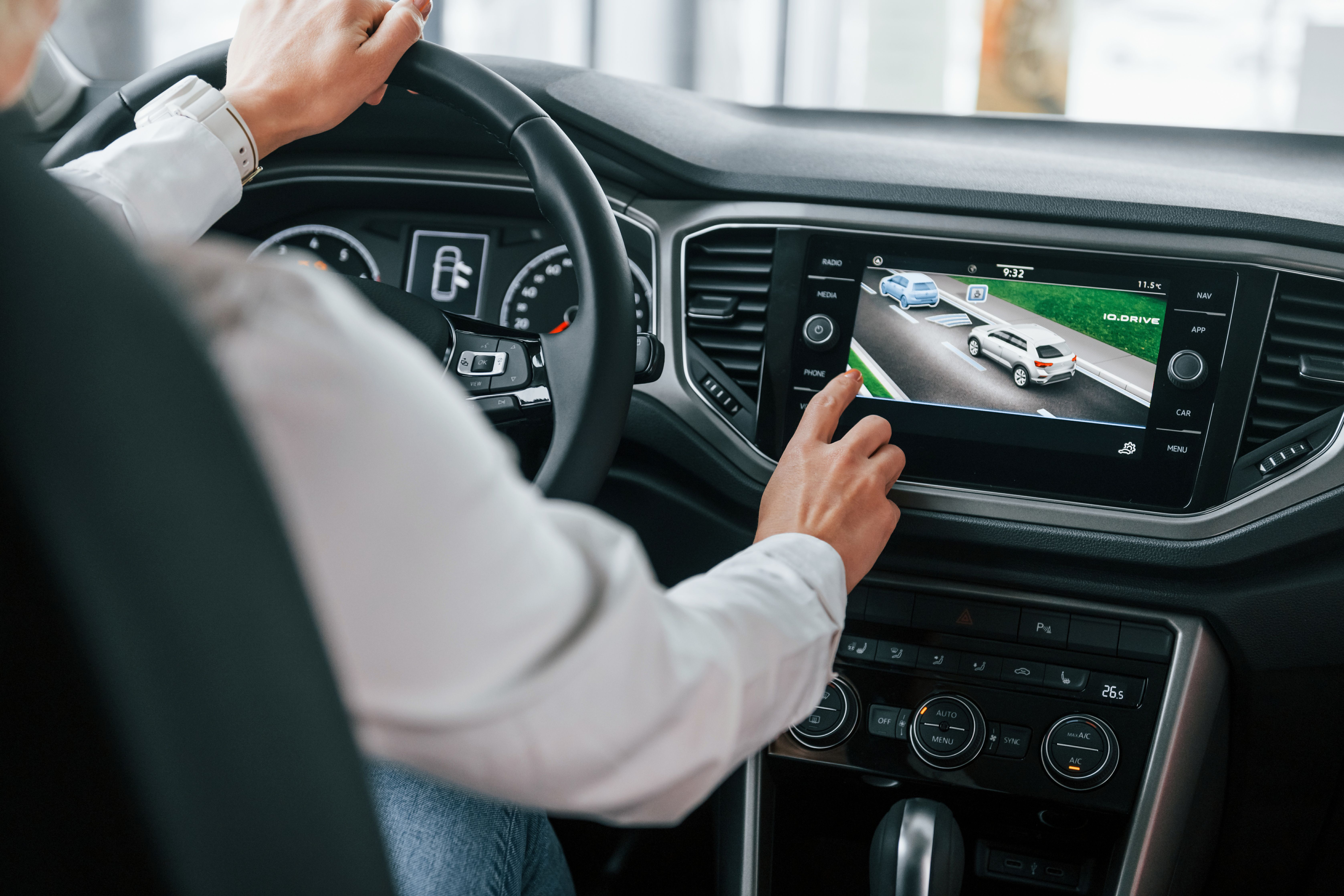
In today's fast-evolving automotive landscape, your vehicle is far more than just a collection of mechanical parts; it's a sophisticated network of computers and sensors, constantly managed by advanced software. Just like your smartphone or laptop, your car's operating system and various functionalities benefit immensely from regular updates. But what exactly are vehicle software updates, and why are they so crucial for your car's performance, safety, and longevity? At 401 Group of Companies, we believe in empowering our customers with clear, expert insights. Our certified technicians across Ontario and Florida routinely perform these essential updates, witnessing firsthand the tangible improvements in vehicle performance and safety.
The Digital Heart of Your Modern Vehicle
Modern cars, especially those from model years 2017 and newer, are essentially computers on wheels. They feature intricate systems that control everything from engine timing and transmission shifts to climate control and advanced driver-assistance systems (ADAS).
More Than Just an Engine: The Role of ECUs and Software
At the core of this digital network are Electronic Control Units (ECUs) and Transmission Control Units (TCUs), which are miniature computers managing specific vehicle functions. These ECUs rely on complex algorithms and specialized firmware and software to interpret sensor data and control mechanical components. For instance, your engine's ECU constantly optimizes fuel delivery and ignition timing, directly impacting performance and fuel economy.
Comparing Cars to Smartphones: Why Updates are Essential
The concept of vehicle software updates might sound futuristic, but it's directly comparable to updating the operating system on your smartphone. These updates introduce new features, fix bugs, improve security, and enhance overall functionality. Just as a phone update keeps your device running smoothly, car software updates ensure your vehicle performs optimally and safely.
What Exactly Do Vehicle Software Updates Do? (Types and Benefits)
Vehicle software updates aren't a one-size-fits-all solution; they come in various forms, each serving a distinct purpose to enhance your driving experience and the integrity of your vehicle. From our experience servicing hundreds of models across Ontario and Florida, we categorize them into three main types:
Refinements: Fixing Bugs and Improving Stability
These are often the most common types of updates, focusing on bug fixes, patches, and minor adjustments. Refinements address glitches, improve system stability, and resolve issues that might affect a vehicle's operation, such as an intermittent infotainment system freeze or a minor sensor calibration error.
Enhancements: Boosting Performance and Adding Value
Enhancement updates are designed to improve existing features and the overall driving experience without necessarily adding completely new functionality. They can significantly impact the core operation of your vehicle.
- Improved Engine & Transmission Performance: Software updates can recalibrate engine parameters and transmission shift points, leading to smoother acceleration, better responsiveness, and a more refined driving feel.
- Enhanced Fuel Efficiency: By optimizing engine management and other systems, these updates can help your vehicle achieve better fuel economy, saving you money at the pump.
Upgrades: Introducing New Features and Functionality (Paid vs. Free)
Upgrades bring entirely new features or significant improvements to existing ones, often transforming how you interact with your vehicle. While many refinements and enhancements are provided free of charge, some advanced upgrades, particularly those adding premium features, may come with a cost.
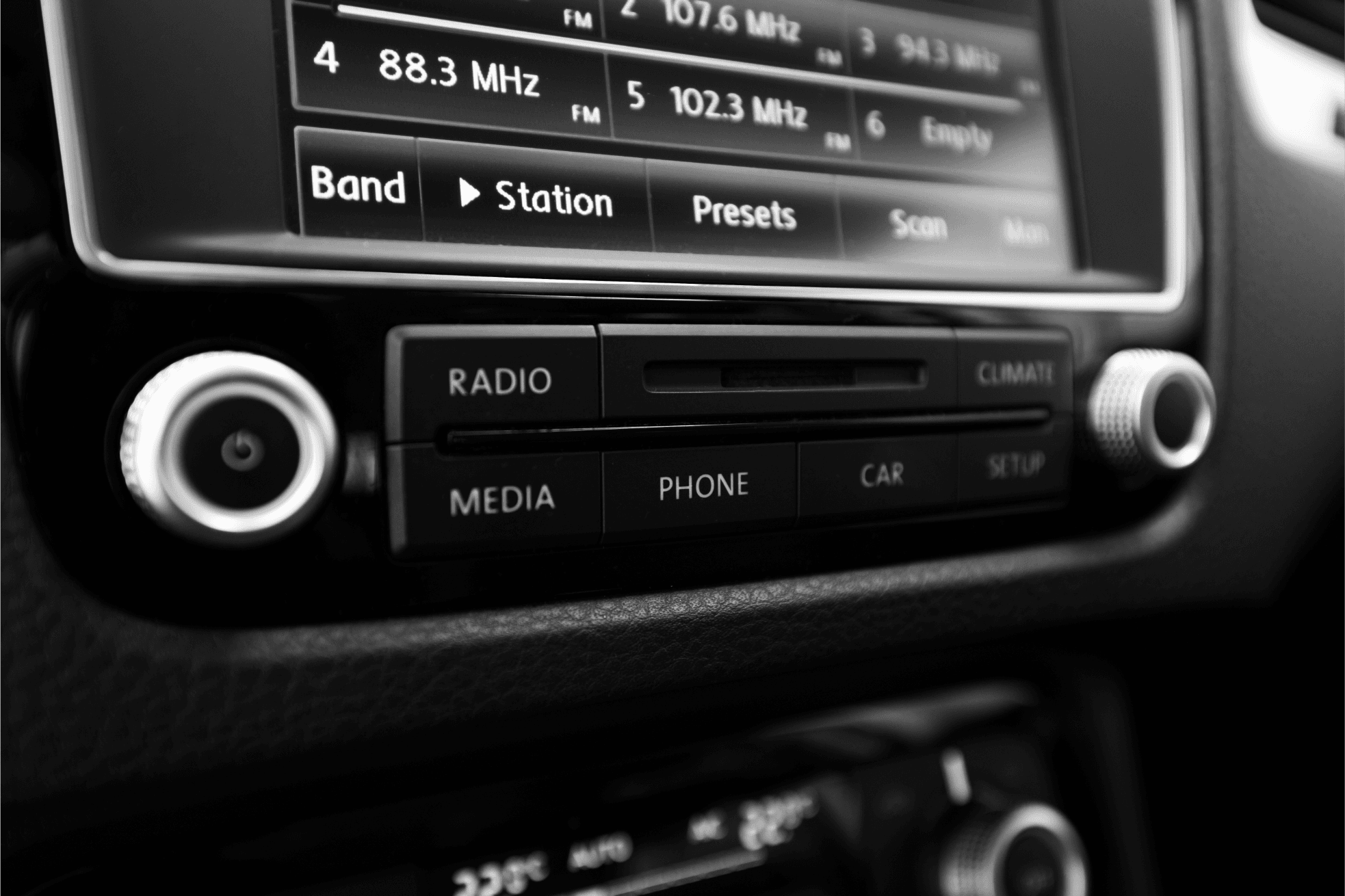
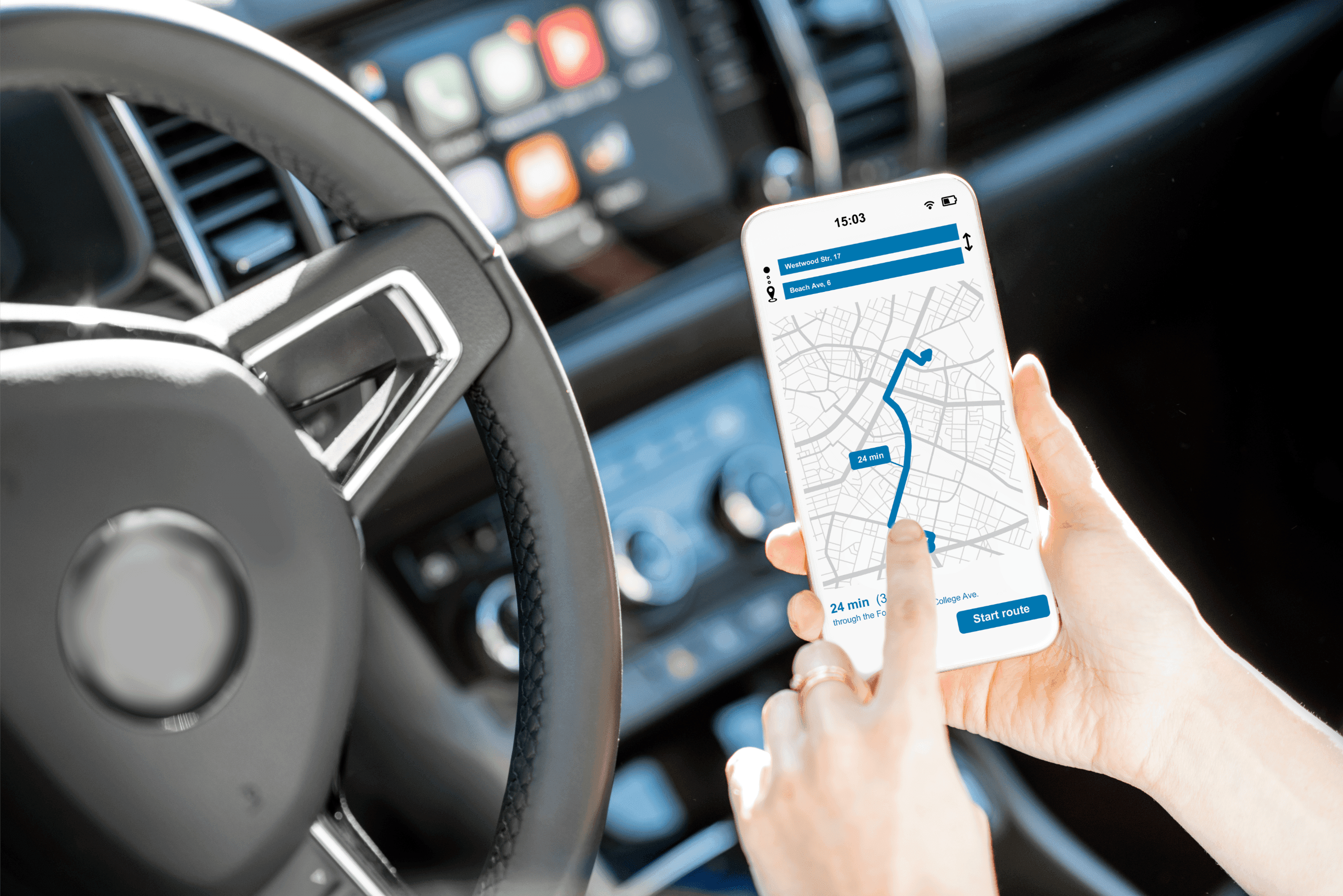
- Infotainment System Updates (Navigation, Apps, Connectivity): These updates can introduce new apps, improve navigation accuracy, enhance voice control capabilities, and ensure seamless smartphone integration via platforms like Apple CarPlay or Android Auto. Brands like HondaLink and Hyundai Bluelink frequently roll out such improvements.
- Advanced Safety Feature Improvements (ADAS): Updates can refine the algorithms for safety features such as adaptive cruise control, lane-keeping assist, automatic emergency braking, and blind-spot monitoring, making them more precise and reliable.
- EV-Specific Updates (Battery Management, Range): For electric vehicles, software updates are critical for optimizing battery management systems, extending range, improving charging efficiency, and enhancing power delivery.
Firmware vs. Software: Understanding the Difference
While often used interchangeably, it's important to understand the distinction. Firmware is the low-level code that controls a specific hardware component (like an ECU or TCU), acting as the bridge between software and hardware. It's usually small, tightly integrated, and rarely updated. Software, on the other hand, refers to the higher-level programs that run on top of the firmware, managing user-facing features, infotainment systems, and complex operational logic. Both are essential, and modern vehicle software updates often encompass changes to both layers for comprehensive improvements.
How Do Vehicle Software Updates Work? (OTA and Dealership Services)
Depending on your vehicle's make, model, and the type of update, software updates can be delivered in a couple of primary ways.
Over-the-Air (OTA) Updates: Convenience at Your Fingertips
Many newer vehicles, particularly those equipped with built-in cellular or Wi-Fi connectivity, can receive Over-the-Air (OTA) updates. This technology, exemplified by programs like Ford Power-Up, allows manufacturers to wirelessly push updates directly to your vehicle, similar to how your smartphone receives updates. This offers incredible convenience, allowing many updates to occur while your car is parked, without needing a dealership visit.
Dealership-Specific Updates: When Professional Installation is Key
For more critical updates, those involving intricate modules like the Electronic Control Unit (ECU), or if your vehicle doesn't support OTA technology, a visit to a certified dealership service center is often required. Our technicians use specialized diagnostic tools and manufacturer-specific software to perform these updates precisely, ensuring proper installation and functionality. This method is particularly vital for updates that could significantly impact core vehicle systems or require complex calibration.
The Update Process: What to Expect
Whether OTA or at a dealership, the update process typically involves downloading the new software, verifying its integrity, and then installing it on the relevant vehicle modules. During this time, your vehicle might be inoperable for a period, and it's crucial to ensure a stable power source (especially for dealership updates) to prevent interruptions. How long does a car software update take? It varies widely, from a few minutes for minor OTA patches to several hours for comprehensive system overhauls at a service center.
Why Are Software Updates Crucial for Your Vehicle?
Regular vehicle software updates are not just about keeping up with the latest tech; they are fundamental to maintaining your vehicle's health and maximizing your investment.
Ensuring Optimal Performance and Efficiency
Just like any computer, software can become less efficient over time. Updates refine algorithms, enhancing engine and transmission responsiveness, improving handling characteristics, and optimizing fuel efficiency. This means your car runs smoother, stronger, and more economically.
Enhancing Safety and Reliability
Perhaps the most critical reason for updates is safety. Software controls your anti-lock brakes (ABS), traction control, stability control, and advanced driver-assistance systems. Updates can improve the accuracy and response time of these critical safety features, making your car safer and more reliable on the road. They can also address security vulnerabilities, protecting your vehicle's digital systems from potential exploits.
Accessing New Features and Maintaining Value
New features and functionalities are continuously developed. Updates can unlock these advancements, from enhanced navigation and improved infotainment experiences to new drive modes or EV charging optimizations. Keeping your software current also helps maintain your vehicle's resale value, as modern buyers often prioritize up-to-date technology and confirmed service history.
Addressing Security Vulnerabilities
As cars become more connected, they also become potential targets for cyber threats. Car manufacturer software updates frequently include security patches designed to protect your vehicle's systems from unauthorized access and malicious attacks, safeguarding your data and vehicle integrity.
Common Questions & Concerns About Vehicle Software Updates
Many drivers have questions about car software updates, and our service teams are here to provide clear answers.
How Often Are Updates Released?
The frequency of updates varies by manufacturer and vehicle model. Some brands, like Ford with its Power-Up updates, release them multiple times a year, while others may issue major updates annually or bi-annually. Minor refinements can be more frequent than significant upgrades.
How Long Do Updates Take?
Update duration can range from a quick 10-minute Over-The-Air (OTA) patch for an infotainment system to several hours for a complex Electronic Control Unit (ECU) update performed at a dealership. It's always best to inquire about the estimated time when scheduling a dealership software update service.
Are All Updates Free? Understanding Costs
Most critical updates for safety, performance refinements, and bug fixes are typically covered under your vehicle's warranty or provided free of charge by the manufacturer. However, some significant upgrades that introduce entirely new functionalities or premium features might come with a fee, especially if they are optional enhancements beyond standard maintenance.
What Happens If an Update Fails?
While rare, an update failure can occur, potentially causing system malfunctions. This is where professional expertise becomes invaluable. Our certified technicians have the tools and training to diagnose and resolve update-related issues, ensuring your vehicle's systems are restored correctly. It's one of the risks of not having updates done by professionals.
Do All Cars Receive Software Updates? (Focus on Newer Models)
Generally, vehicles manufactured in recent years (roughly 2017 onwards) are the primary beneficiaries of software updates due to their increased digital integration. Older cars typically have fewer complex electronic systems and therefore receive fewer, if any, software updates. Software updates for used cars are equally important if they are newer models, ensuring they benefit from the latest improvements.
Software Updates for Used Vehicles: What to Know
If you own a used vehicle that's still relatively new, it's highly recommended to ensure its software is up-to-date. Often, previous owners might have skipped updates. When you bring your used car to 401 Group for diagnostic services, our technicians can check for any outstanding manufacturer software updates that could improve its performance, safety, or add features.
401 Group of Companies: Your Trusted Partner for Vehicle Software Updates in Ontario & Florida
Understanding and managing vehicle software updates might seem complex, but you don't have to navigate it alone. At 401 Group of Companies, we are committed to helping drivers in Ontario, Canada, and Florida, USA, keep their vehicles at the peak of their performance, safety, and technological capabilities.
Our Certified Technicians and State-of-the-Art Diagnostics
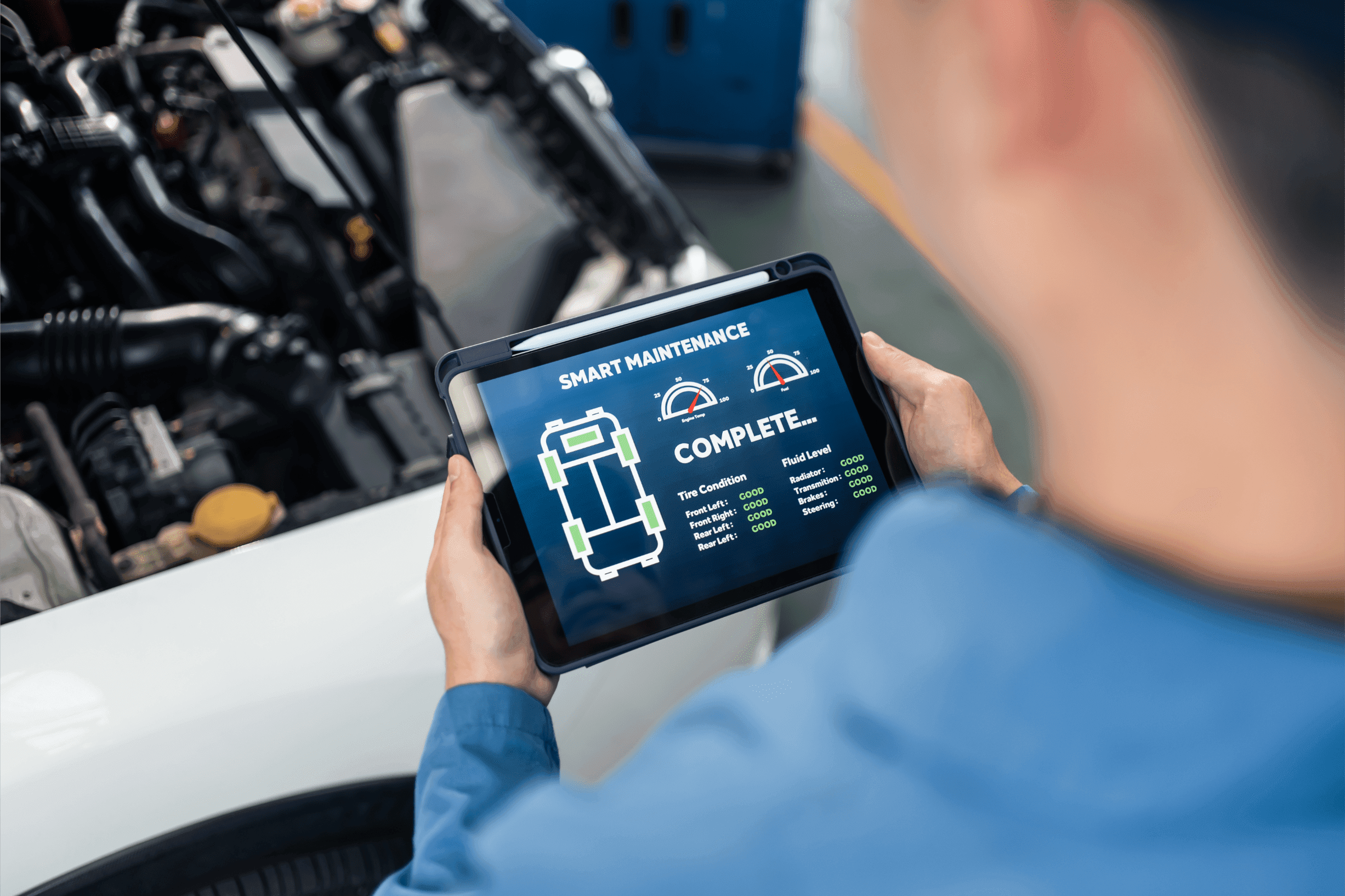
Our dealerships are equipped with state-of-the-art diagnostic tools and staffed by factory-trained, certified technicians who possess unparalleled expertise across a wide range of brands, including Ford, Honda, Hyundai, Chevrolet, Toyota, and RAM. We stay current with all car manufacturer software updates and guidelines, ensuring your vehicle receives the precise updates it needs, whether it's a routine infotainment system update or a critical engine software update.
Schedule Your Service Appointment Today
Don't leave your vehicle's digital health to chance. Ensure your vehicle is performing at its best with the latest software. Schedule a service appointment at your nearest 401 Group dealership in Ontario or Florida today, or explore our new inventory featuring the most advanced automotive technology!
FAQ Section
Here are answers to some of the most frequently asked questions about vehicle software updates:
- Q: How do I know if my vehicle needs a software update? A: Many newer vehicles will notify you via the infotainment system if an Over-the-Air (OTA) update is available. For dealership-specific updates, a service visit or check with your manufacturer's app can confirm if there are any outstanding campaigns or recalls that include software updates. Our certified technicians can also check for you during a routine service appointment.
- Q: Are software updates mandatory for my car? A: While not always strictly "mandatory" in a legal sense, highly recommended updates often address critical safety recalls, performance improvements, and security patches. Failing to install them could compromise your vehicle's safety, efficiency, and long-term reliability. We strongly advise keeping your vehicle's software current.
- Q: Can I lose my vehicle settings or data during a software update? A: Most software updates are designed to preserve your personalized settings and data (like paired phones, navigation history, or radio presets). However, for major system overhauls, it's always a good practice to note down any critical custom settings, just in case. Our technicians ensure a smooth process to minimize any potential data loss.
- Q: What should I do if my OTA update fails? A: If an Over-the-Air update fails, first ensure your vehicle is in an area with good connectivity and try restarting the process. If repeated attempts fail, or if the failure causes any operational issues, it's best to contact your local 401 Group service center. Our experts can diagnose the problem and perform the update manually if necessary.
- Q: Do software updates affect my car's warranty? A: No, official software updates provided by the manufacturer or installed by certified dealerships like those within the 401 Group will not void your car's warranty. In fact, keeping your software current is often part of recommended maintenance and can help prevent issues that might otherwise lead to warranty claims.