



First-Time Car Buyer's Guide 2026: Your Definitive Roadmap to Driving Confidently with 401 Group (Ontario & Florida)
Demystify the car buying process for 2026: From budgeting and financing to test drives and choosing the perfect vehicle, get expert advice tailored for new drivers in Canada and Florida. Buying your first car is an exciting milestone, but for many, it can also feel overwhelming. The thought of navigating complex financing, endless options, and unfamiliar terminology can be daunting. Especially with the evolving automotive landscape of 2026, you need current, reliable advice. That's precisely why we at the 401 Group of Companies have created this definitive first-time car buyer guide. Having assisted thousands of new drivers across Ontario and Florida, our 401 Group team understands your anxieties and is here to empower you with the knowledge and confidence to make a smart decision. Your journey to your first car starts here, with local experts who put your needs first.
Step 1: Laying Your Financial Foundation (Budgeting for 2026)
Before you even step foot onto a lot, establishing a solid budget is crucial. This isn't just about the monthly payment; it's about the "total cost of ownership."
Understanding the "Total Cost of Ownership" for First-Timers
Many first-time car buyers overlook expenses beyond the purchase price. In 2026, a truly realistic budget accounts for: fuel, maintenance, registration, annual taxes (like HST in Ontario), and perhaps most importantly for new drivers, insurance premiums. Our finance experts often recommend adhering to the 20/4/10 rule – 20% down payment, a loan term no longer than four years, and total car expenses (including insurance) not exceeding 10% of your gross monthly income. Alternatively, aim for your total car expenses to be around 10-15% of your income.
Setting a Realistic Car Budget: New vs. Used for 2026
How much car can you truly afford? Consider average new and used car prices for 2026, which can fluctuate. New cars offer the latest tech and full warranties, but come with a higher price tag and immediate depreciation. Used cars offer more value for your dollar, making them an excellent choice for first-time buyers. Our interactive car affordability calculator can help you input your income and expenses to estimate an affordable car price, giving you a clear picture of your budget.

Saving for a Down Payment: Why It Matters
A down payment is a significant upfront sum you pay towards the car's price. While not always mandatory, our experts consistently recommend a down payment of 10-20% of the vehicle's cost. A larger down payment significantly reduces your loan amount, leading to lower monthly payments, less interest paid over the loan term, and helps you avoid negative equity – owing more than the car is worth – early in your ownership.
Step 2: Navigating Auto Financing & Credit in 2026
Securing financing is often the most confusing part of buying your first car. Understanding your credit and loan options is paramount.
Your Credit Score: The Key to a Great Loan
Your credit score is a three-digit number that tells lenders how reliably you've managed debt in the past. For a first-time car buyer, this is crucial for securing a favorable auto loan interest rate. If you have limited credit history, don't worry – there are still options, and building credit responsibly is a valuable step. Start by checking your credit report for free with Equifax, Experian, or TransUnion to understand your current standing and identify any errors.
Getting Pre-Approved: Your Power Play at 401 Group
Getting pre-approved for an auto loan before you visit a dealership is one of the smartest moves a first-time buyer can make. Pre-approval gives you a clear idea of how much you can borrow, your potential interest rate (APR), and the loan terms, empowering you to shop like a cash buyer. You can get pre-approved through banks, credit unions, or conveniently through the 401 Group Finance team. Understanding your APR and loan terms (typically 48 to 72 months for new cars, avoiding unnecessarily long terms that push you underwater) is key to a comfortable payment plan in 2026.
Understanding Different Loan Types & Options (First-Time Buyer Programs)
Beyond traditional auto loans, inquire about specific first-time buyer incentives or programs offered by manufacturers or our finance partners. For some, leasing a car might be an attractive alternative to buying, offering lower monthly payments and the option to upgrade to a new model every few years. However, leasing doesn't build equity. If your credit is still developing, a co-signer - a trusted individual with good credit who agrees to share responsibility for the loan - can significantly improve your chances of approval and secure better rates.
Step 3: Choosing Your First Car for 2026 (New, Used, or CPO)
With your budget and financing in place, it's time for the fun part: finding your perfect first car!
Needs vs. Wants: Defining Your Ideal Vehicle
It's easy to get swept up in exciting features, but begin by assessing your core needs. Consider your daily commute, passenger requirements, cargo space, must-have safety features, and desired fuel efficiency. Are you looking for a nimble city car, a reliable sedan, or a versatile small SUV? Having a clear list of priorities will guide your search.
New Cars for First-Time Buyers in 2026: Pros & Cons
The allure of a brand-new car is strong. Benefits include the latest technology, full factory warranties, and the peace of mind of being the first owner. However, new cars come with a higher price tag and begin depreciating the moment you drive them off the lot. For 2026, reliable and affordable new models suitable for first-time buyers might include compact sedans like the Honda Civic or Toyota Corolla, or small SUVs such as the Hyundai Kona or Mazda CX-30. (Specific models to be updated closer to 2026.)
Used Cars & Certified Pre-Owned (CPO) for 2026: The Smart Choice?
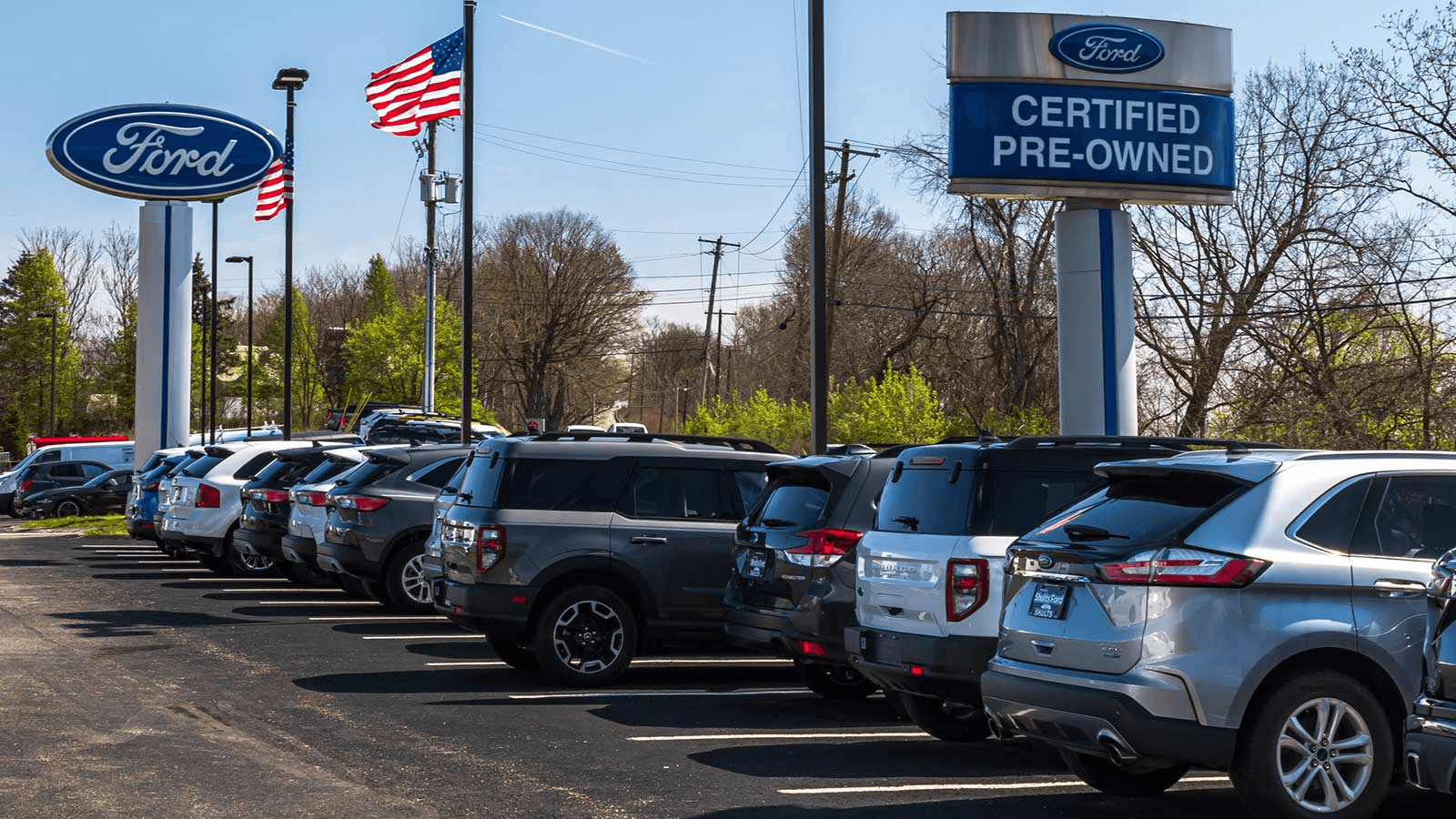
For many first-time buyers, a used car or a Certified Pre-Owned (CPO) vehicle offers excellent value. Used cars mean significant cost savings and slower depreciation. CPO vehicles, available at 401 Group, undergo rigorous multi-point inspections by certified technicians and often come with extended warranties, offering new-car peace of mind at a used-car price. Always request a Vehicle History Report (CarFax for US vehicles, CarProof for Canadian vehicles) to check for accident history, service records, and odometer accuracy. For more detailed insights, check out our blog post on New vs. Used Car: Which is Right for You?
Key Features & Safety Ratings to Prioritize in 2026
Safety should always be a top priority. Look for cars with strong safety ratings from organizations like the IIHS (Insurance Institute for Highway Safety) and NHTSA (National Highway Traffic Safety Administration) in the US, or Transport Canada for vehicles sold in Canada. Prioritize Advanced Driver-Assistance Systems (ADAS) like automatic emergency braking, lane-keeping assist, and blind-spot monitoring. Also consider infotainment features, smartphone integration, and excellent fuel economy to save money long-term.
Step 4: The Dealership Experience with 401 Group (Ontario & Florida)
The dealership is where your research turns into reality. Knowing what to expect makes the process smooth and transparent.
Researching Dealerships: Why 401 Group Stands Out
Not all dealerships are created equal. Look for those with positive customer reviews, a diverse inventory, and a strong reputation for service. As a large, reputable multi-brand dealer group, 401 Group offers an extensive selection of new and used vehicles across numerous Ontario and Florida locations, supported by dedicated service centers. We pride ourselves on transparent pricing and a customer-first approach. Learn more about our commitment to excellence on our About Us page or find a location near you.
Here is a recommended visual: A map showing all 401 Group locations in Ontario and Florida.
The Test Drive: More Than Just a Spin Around the Block
The test drive is your opportunity to experience the car firsthand. Pay attention to acceleration, braking, steering, visibility, and how it handles various road conditions. Does it feel comfortable? Are the controls intuitive? Try parking it, merging onto a highway, and even driving over speed bumps. Don't hesitate to bring a trusted friend or family member for a second opinion. Our sales advisors are happy to guide you through a comprehensive test drive checklist.

Smart Negotiation Strategies for First-Time Buyers
Focus on the "out-the-door" price, which includes the vehicle price, taxes, and all fees. If you have a trade-in, discuss its value separately from the new car's price. Be prepared for common dealership add-ons like rustproofing, paint protection, or extended warranties. While some can offer genuine value, especially for long-term ownership, always understand what you're paying for and whether it aligns with your needs. Our transparent approach ensures you understand every option presented.
Understanding the Sales Contract & Finalizing Your Purchase
When it comes to the sales contract, read every single line before signing. Ask questions about anything you don't understand. Verify all numbers, including the final price, interest rate, loan term, and any additional fees or taxes (such as HST in Ontario). At 401 Group, our finance managers are dedicated to explaining every detail clearly, ensuring you feel completely confident in your purchase.
Step 5: Post-Purchase Essentials for Your First Car in 2026
Once you've driven off the lot, there are a few immediate steps to ensure a smooth start to car ownership.
Registering Your Vehicle: Ontario vs. Florida Specifics
Vehicle registration processes vary by region. In Ontario, you'll need proof of ownership, insurance, and identification to register your vehicle with the Ministry of Transportation (MTO) and get your license plates. In Florida, you'll register your vehicle with the Florida Highway Safety and Motor Vehicles (DHSMV), requiring similar documentation. Our team can guide you through the specific requirements for your location.
Getting the Right Car Insurance for New Drivers
Car insurance is mandatory and can be a significant expense for new drivers. Factors affecting your rates include your age, driving record, vehicle type, and location. It's crucial to shop around for quotes and understand mandatory coverage types (e.g., third-party liability). Tips for reducing premiums include taking a defensive driving course, opting for a higher deductible, or bundling with other insurance policies. For specific guidance, refer to our blogs on Understanding Car Insurance in Ontario and Understanding Car Insurance in Florida.
Your First Service & Ongoing Maintenance with 401 Group
Regular vehicle maintenance is critical for safety, reliability, and extending the life of your first car. Adhere to your manufacturer's recommended service schedule. Our certified 401 Group service centers across Ontario and Florida are equipped with expert technicians and genuine parts to keep your vehicle running smoothly. We also offer various maintenance packages tailored for new vehicle owners.
Timely Tips for Buying in 2026
Best Times to Buy a Car in 2026 (Month-by-Month Outlook)
While demand can impact timing, historically, certain times of the year offer better deals. End of month, end of quarter, and year-end (especially November and December) are often ideal as dealerships aim to meet sales targets. Looking into 2026, anticipate similar trends, with potential incentives around major holidays or during model year changeovers.
What to Expect from 2026 Car Models & Emerging Technology Trends
2026 will continue to see advancements in electric vehicles (EVs), hybrid options, and further integration of advanced driver-assistance systems (ADAS). Many new models will focus on enhanced connectivity, sustainable materials, and improved fuel efficiency. Keep an eye out for updates on compact EVs and efficient hybrids, which can be excellent choices for first-time buyers looking for lower running costs and a greener footprint.
Leveraging Online Tools and Resources for Your 2026 Purchase
Utilize online inventory browsing, virtual test drives, and financing calculators from reputable sites (like 401 Group's) to do much of your preliminary research from home. Stay informed with automotive news and reviews from trusted sources like Kelley Blue Book or Edmunds to compare models and understand market values for 2026.
Conclusion: Drive Away Confident with 401 Group
Buying your first car in 2026 doesn't have to be a stressful experience. By taking the time to understand your budget, financing options, and vehicle choices, you can approach the process with confidence and clarity. The 401 Group of Companies is here to be your trusted partner every step of the way, offering unparalleled expertise, transparent processes, and a commitment to your satisfaction. From our wide selection of new and used vehicles to our expert finance team and certified service centers, we're dedicated to making your first car purchase in Ontario or Florida seamless and enjoyable.
Ready to find your first car? Browse our extensive inventory of new and used vehicles across Ontario and Florida, get pre-approved for financing with ease, or schedule a personalized consultation with a 401 Group expert today!
Frequently Asked Questions (FAQ)
Q: How long does it typically take to get approved for a first-time car loan? A: Loan approval times can vary. With 401 Group, you can often get pre-approved online within minutes. Once you've selected a vehicle and finalized paperwork, the entire process, including approval and signing, can often be completed within a few hours to a day.
Q: Can I buy a car with no credit history, or very limited credit? A: Yes, absolutely! While having a good credit history helps, 401 Group works with a wide network of lenders who specialize in helping first-time buyers and those with limited or no credit. Programs are often available, and a co-signer can also assist. Our finance experts can guide you through the best options available.
Q: What's considered good mileage for a used car if I'm a first-time buyer? A: There's no single "good" mileage, as it depends on the car's age, make, and maintenance history. Generally, cars driven about 12,000-15,000 miles (20,000-24,000 kilometers) per year are considered average. A lower mileage car for its age is often preferable, but a well-maintained higher mileage vehicle can still be a great purchase. Always check the vehicle history report and have a pre-purchase inspection.
Q: Should I get gap insurance for my first car, and what does it cover? A: Gap (Guaranteed Asset Protection) insurance is often recommended for first-time buyers, especially if you make a small down payment or finance for a long term. It covers the "gap" between what you owe on your loan and what your car's actual cash value is if it's declared a total loss (stolen or severely damaged). Without it, you could be responsible for paying off a loan for a car you no longer have.
Q: What are the most common mistakes first-time car buyers make, and how can I avoid them? A: Common mistakes include not budgeting for total ownership costs, skipping pre-approval, focusing only on monthly payments, not test driving thoroughly, and not reading the sales contract carefully. To avoid these, follow the steps in this guide, do your research, get pre-approved, and don't hesitate to ask our 401 Group experts any questions.